Farming

  • |

    Planting Carrots in a Raised Bed (VIDEO)

    It’s early April, the ideal time to plant carrots seeds directly in our raised beds. Farmers Tom and Eliza will walk us through the details of what you need to know to plant your own carrots, covering topics like pelletized vs. raw seeds, length to germination, using row cover, and more.

  • How We Milk Our Dairy Herd (VIDEO)

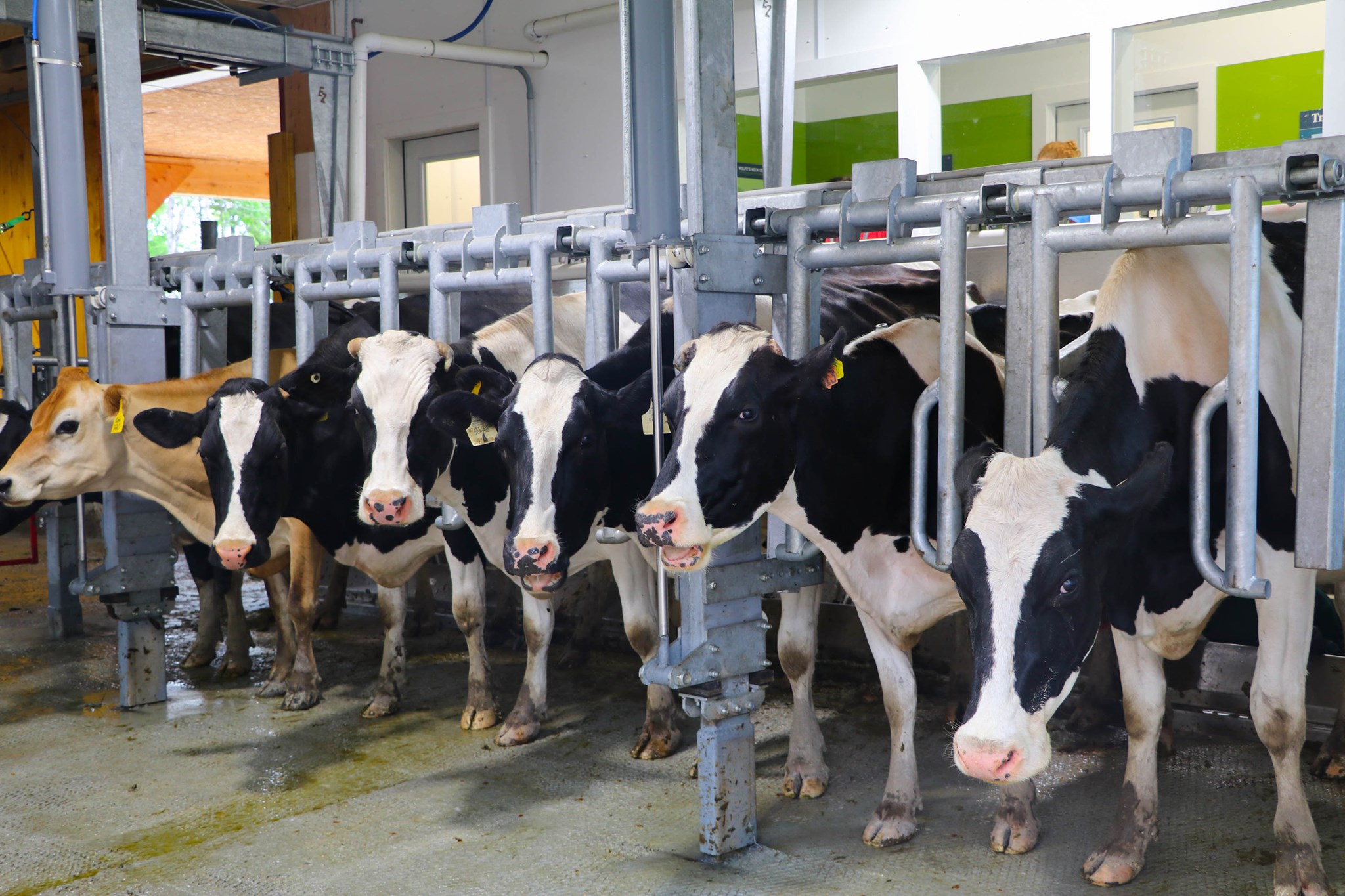
    See a milking in action! The farmers milk our cows twice each day, around 4:30am and 4:30pm. Watch the process of 30+ herd of organic dairy cows going through the parlor.

  • |

    Common Traits of Small Farms in Maine

    Joe Grady of WNC and Two Coves Farm gives us a closer look at the traits of a modern day small farmer, and how building connections can push the knowledge and appreciation for the value of small, local farms to new levels.

  • What’s In a CSA?

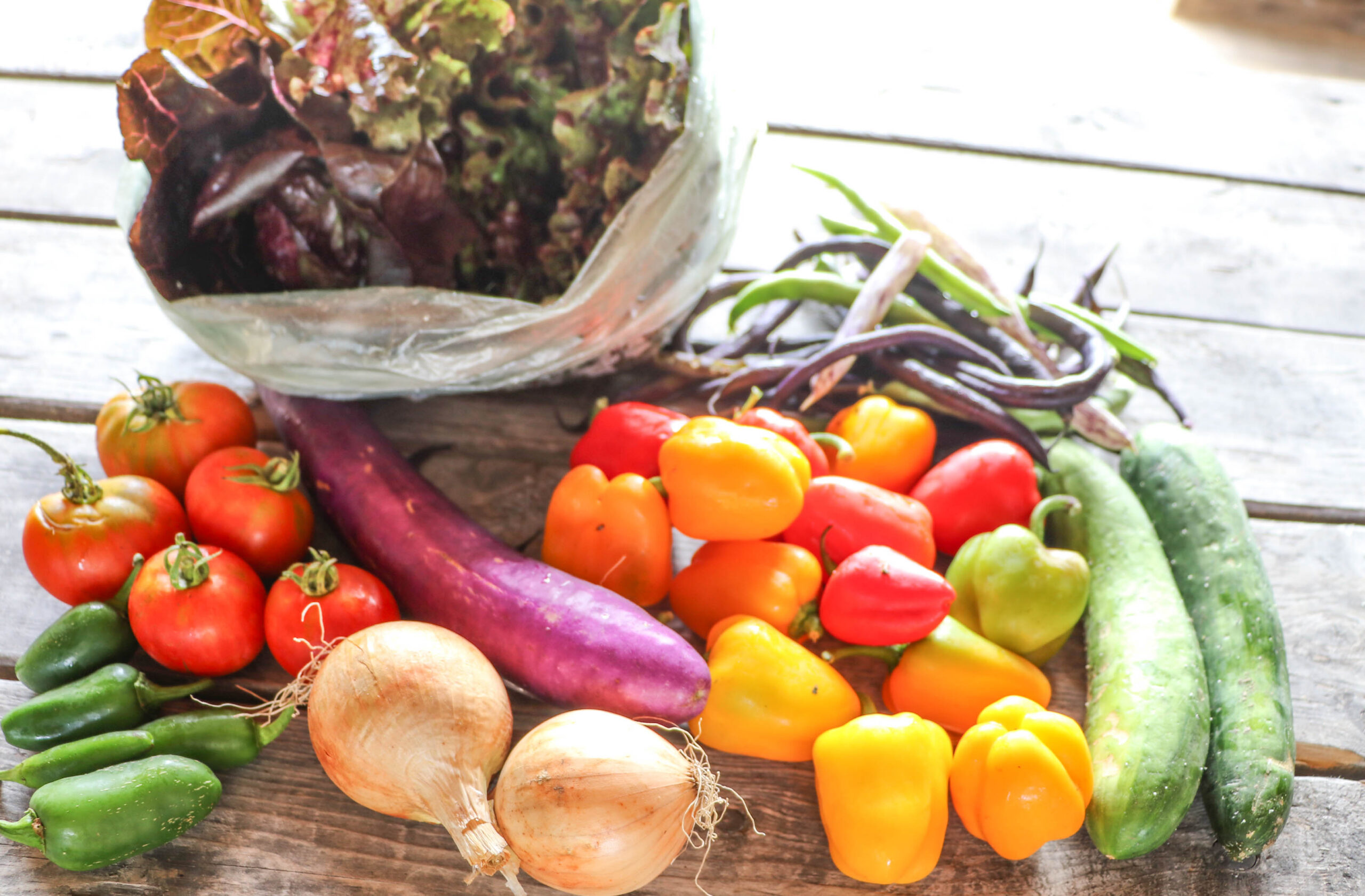
    What does a CSA include? Aside from a weekly share of produce from June to October, here are seven other perks that come with it.

  • 20 Questions with Farmer Tom

    It’s a new year! While other people are meditatively reflecting about where the time has gone, we’re wonderstruck by the numerical symmetry of “2020”. To honor this marvel, we’ve asked 20 questions to one of our farmers.

  • |

    What Can We Do About It?

    Climate change is not only a pressing issue, but it’s also becoming more widely discussed in mainstream media as the urgency of its impact heightens. In fact, Oxford Dictionary named “climate emergency” its 2019 word of the year. With that in mind, we launched two major initiatives this year that could have national—even global—impact on reversing the effects of climate change.

  • Seasonal Reminder of Why We Cover Crop

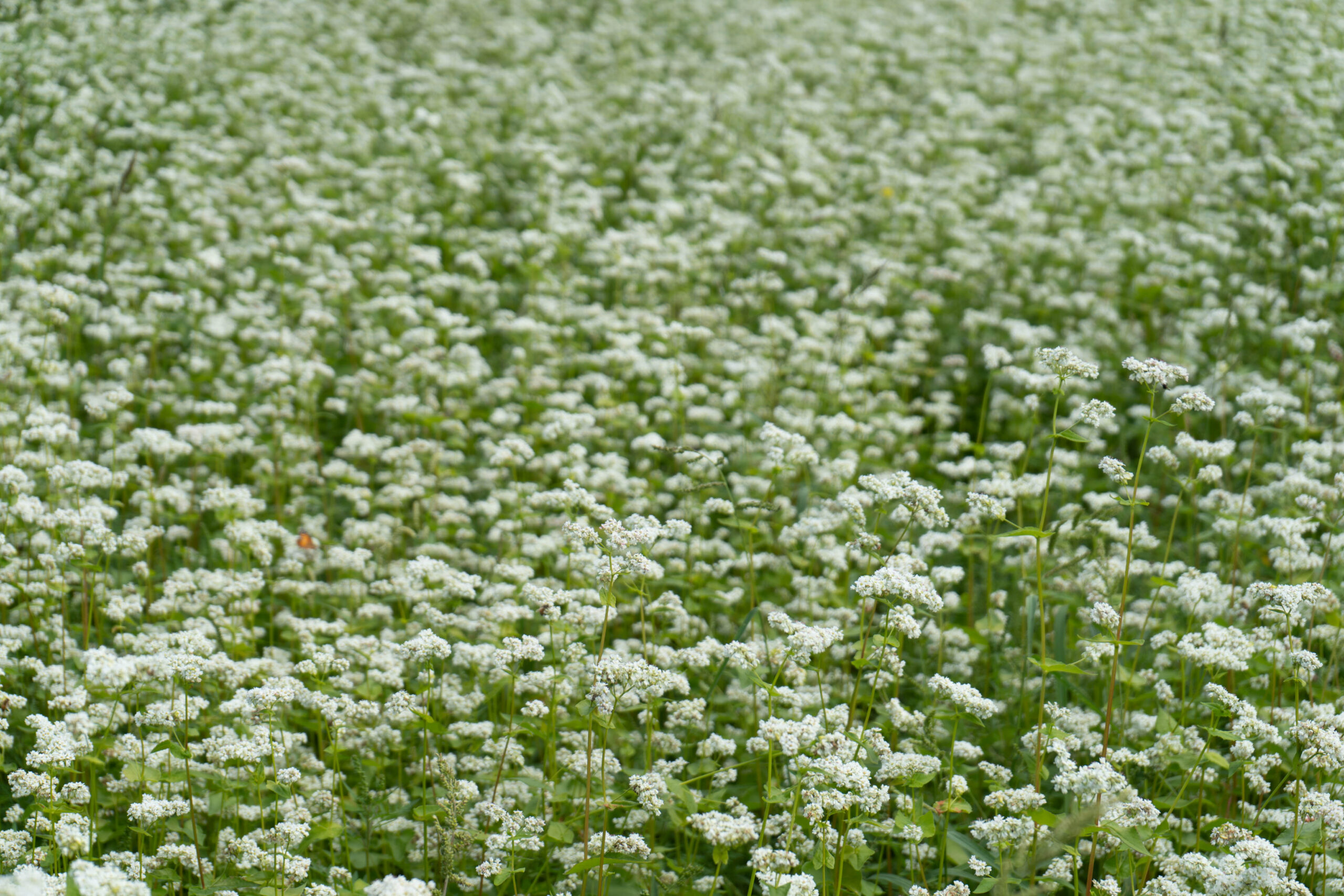
    Last weekend’s 2 inches of rainfall was an excellent reminder of why we cover crop our fruit and vegetable fields through the winter. Heavy rainfall on open ground has the potential to create damaging erosion. That’s why in preparation for the winter, we plant cover crops on the plots with more highly erodible sloping soils.

  • |

    Cows for Climate Change Research

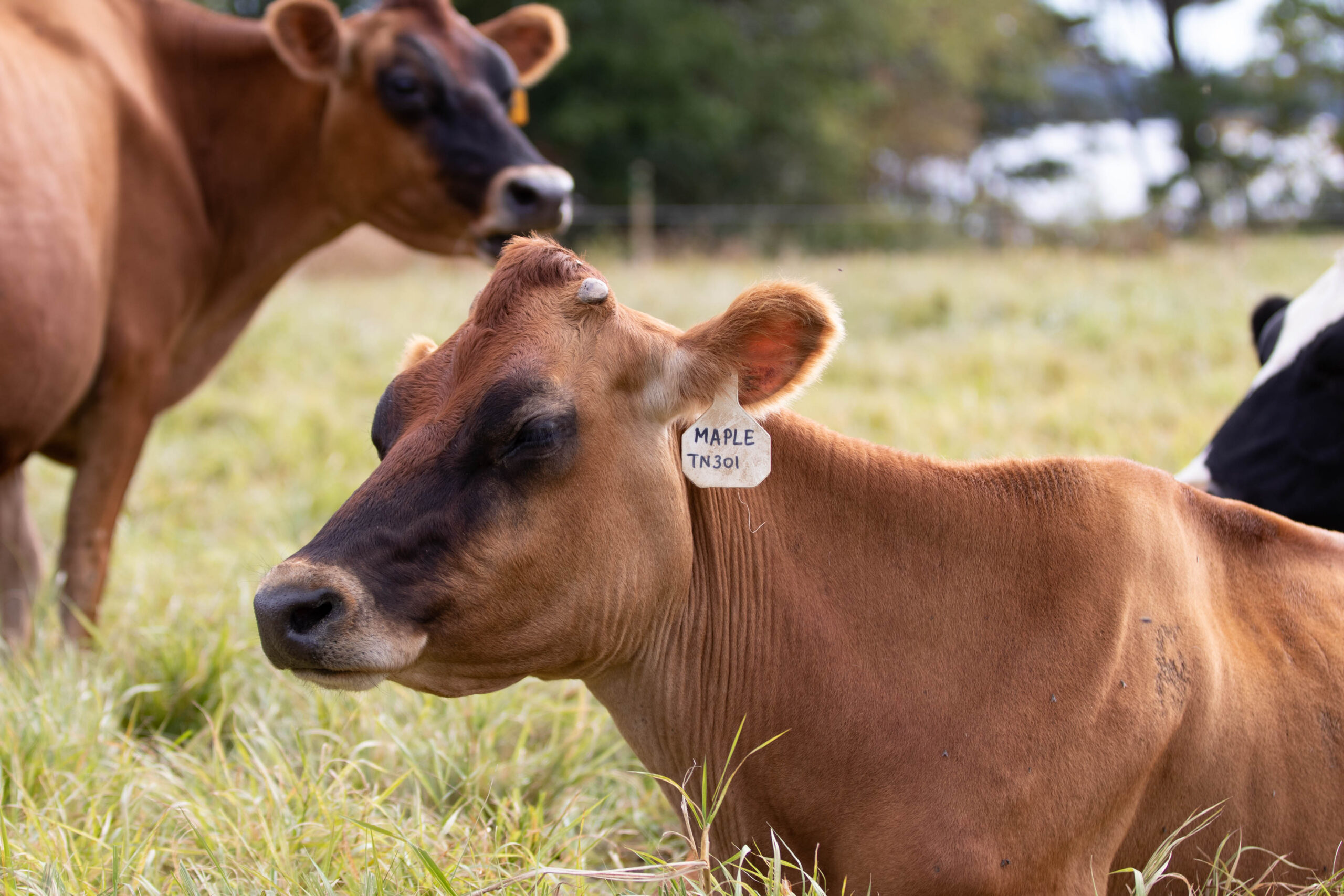
    Wolfe’s Neck Center has secured a key partnership in a $3 million grant with Bigelow Laboratory for Ocean Sciences to expand research on how to reduce methane emission by cattle and the effects of adding Maine seaweeds to a cow’s diet. Cattle are the largest human-caused source of methane emissions—the most potent of greenhouse gases—making dairy farms a source for reducing emissions at the start.