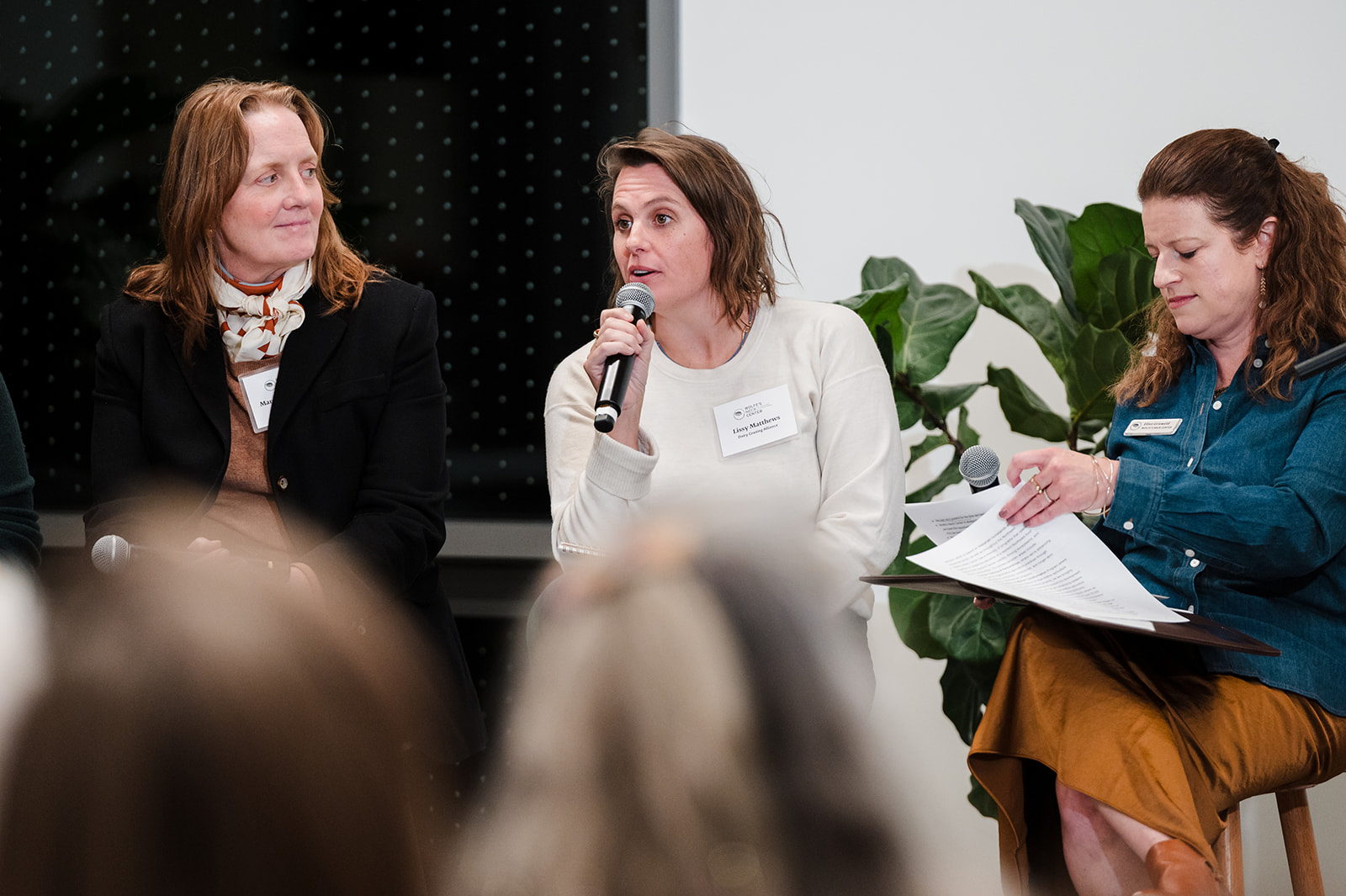
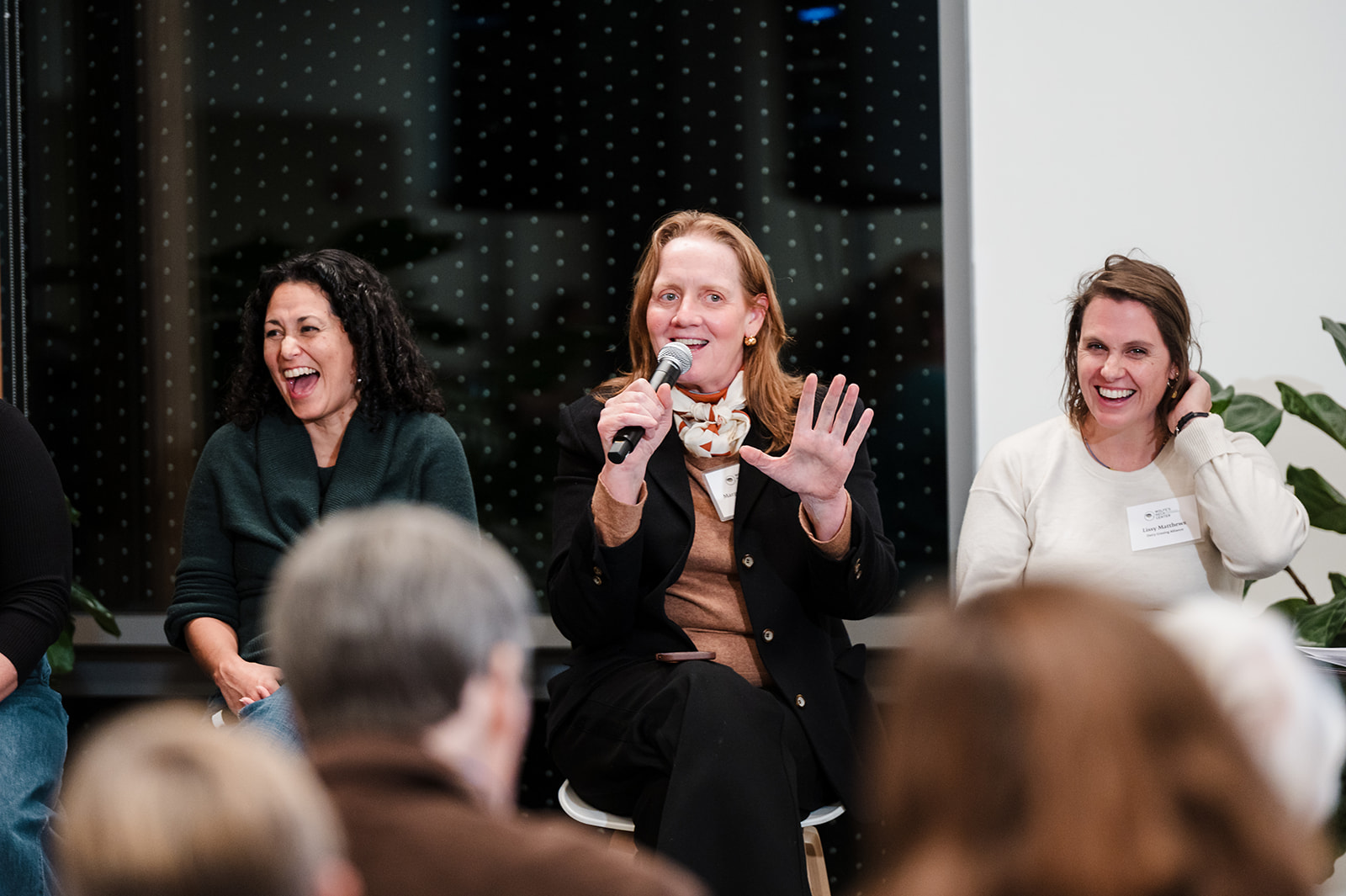
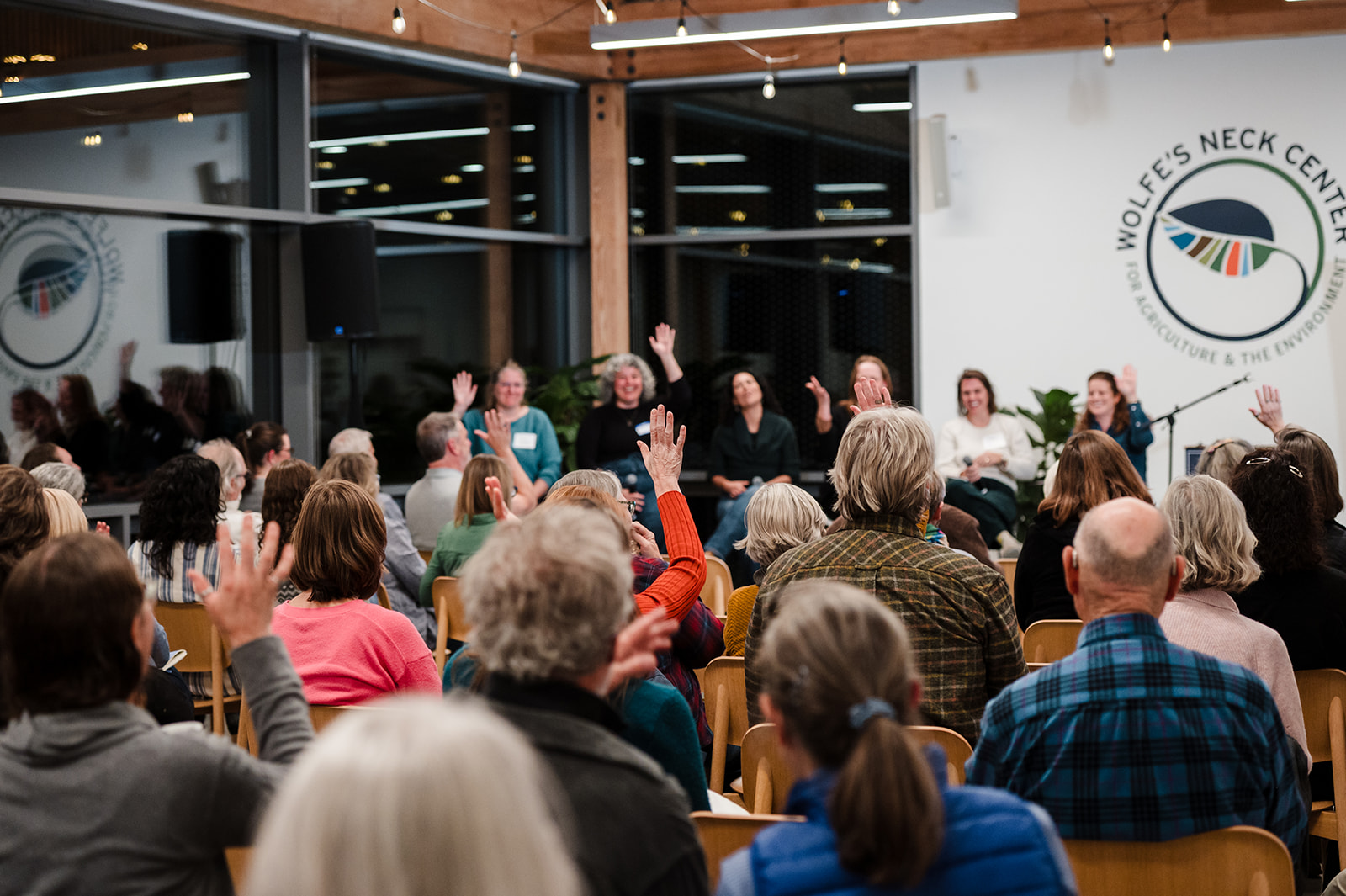
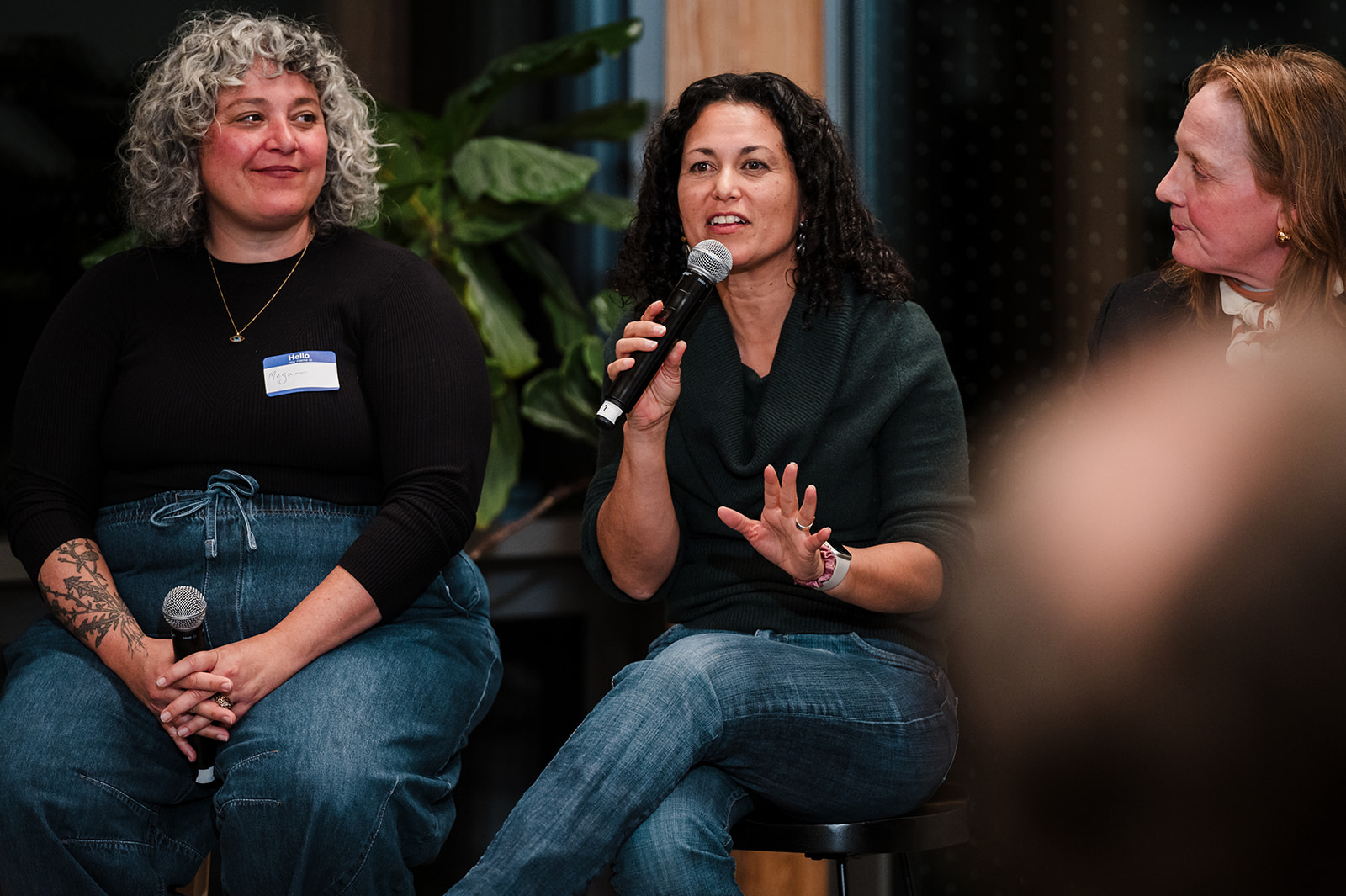
See photos in the gallery below the blog.
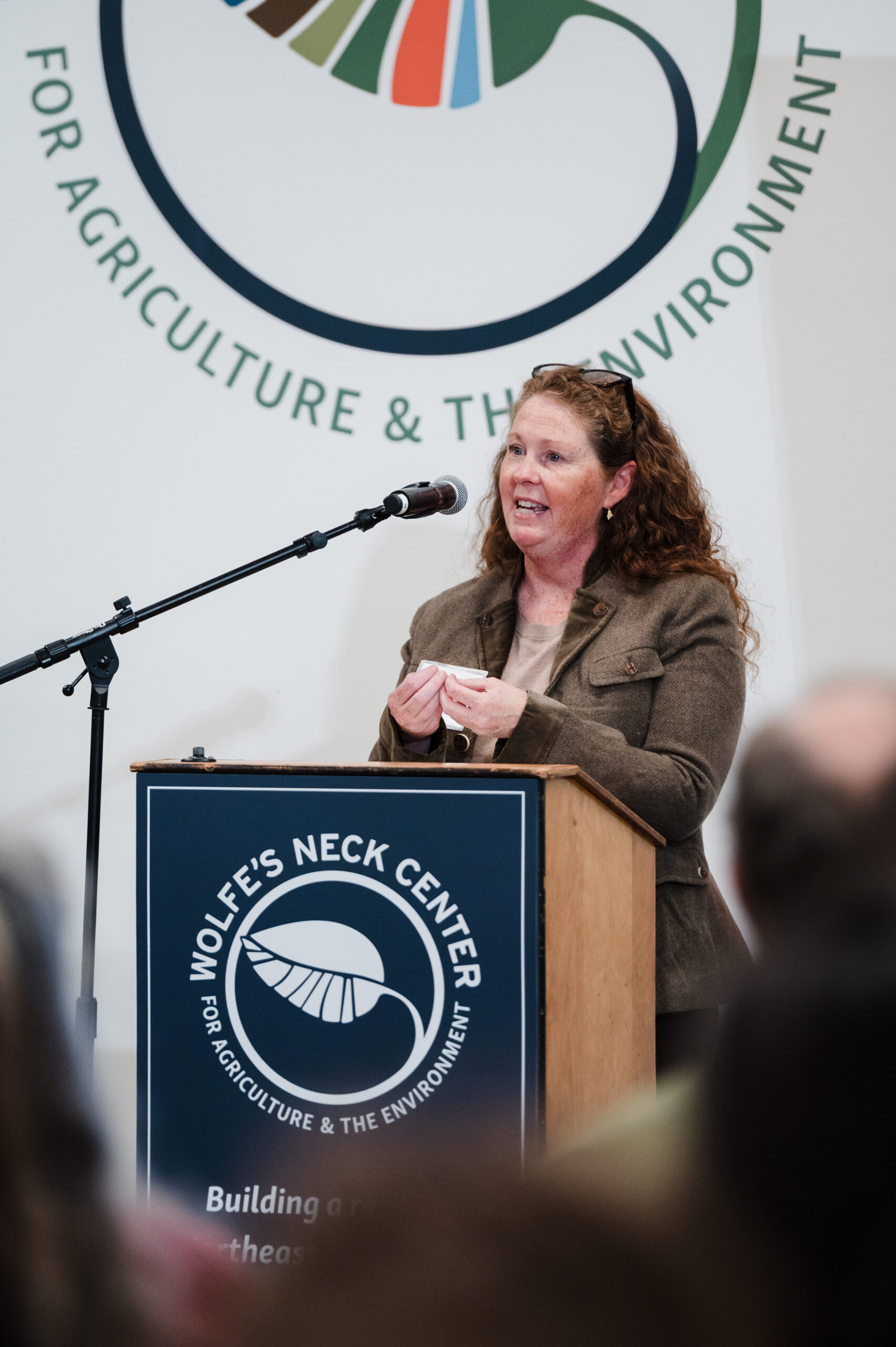
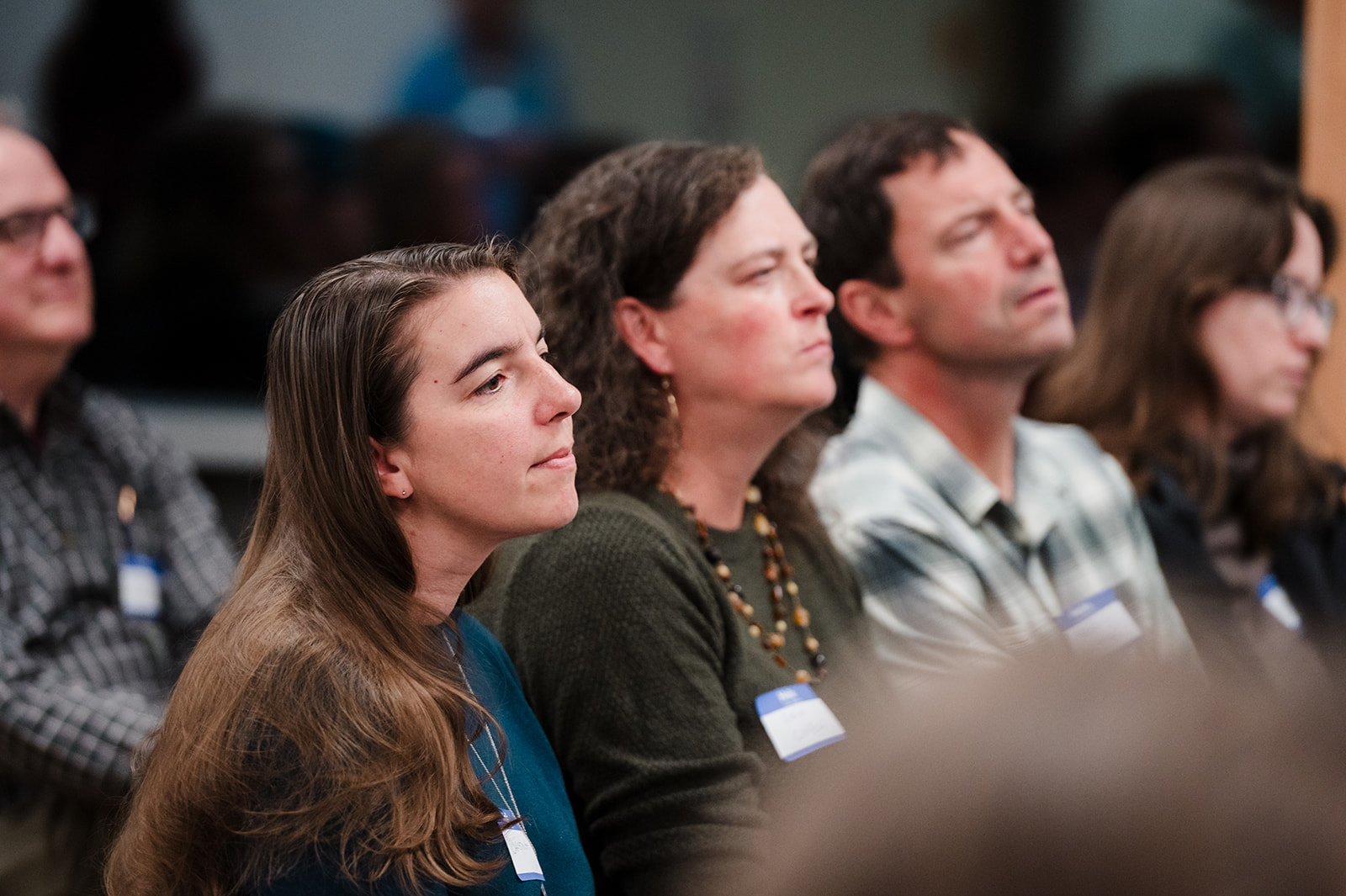
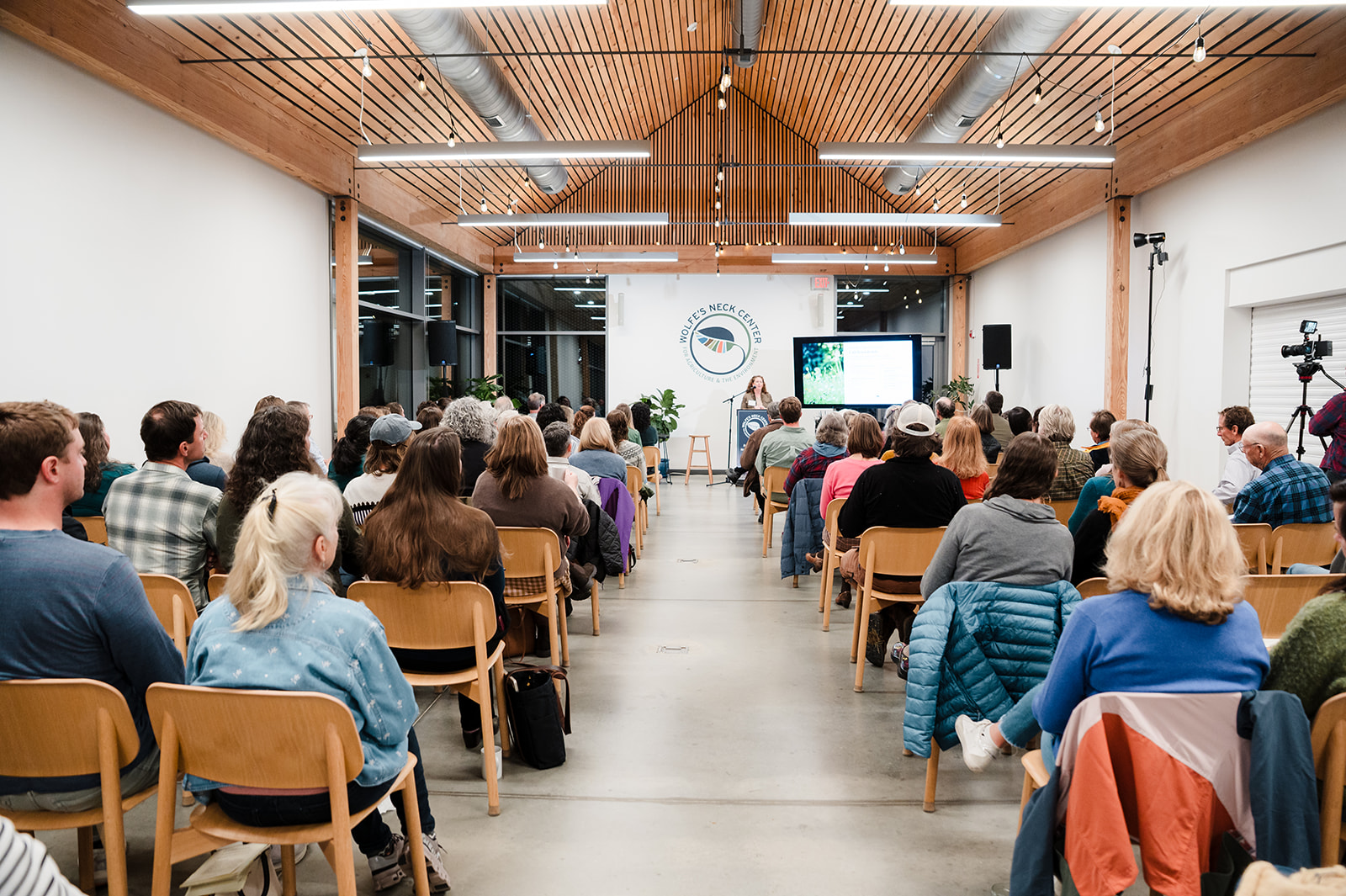
At our recent Fall Roundtable, community members, agricultural researchers, and local advocates gathered to explore the future of regional agriculture. Wolfe’s Neck Center board member Rhiannon Hampson launched the evening with a bold statement. “I am a rural prosperity true believer. I believe that places like Maine and our most rural spaces where our farms and food systems are operating are the places where we can make real and meaningful change, because I’ve seen it.”
Convening regional food systems leaders to build resilient, sustainable agriculture is central to our collective mission. By bridging disciplines and communities, we can address structural challenges and create viable pathways forward for local food production.
Keynote: Reimagining Our Food System
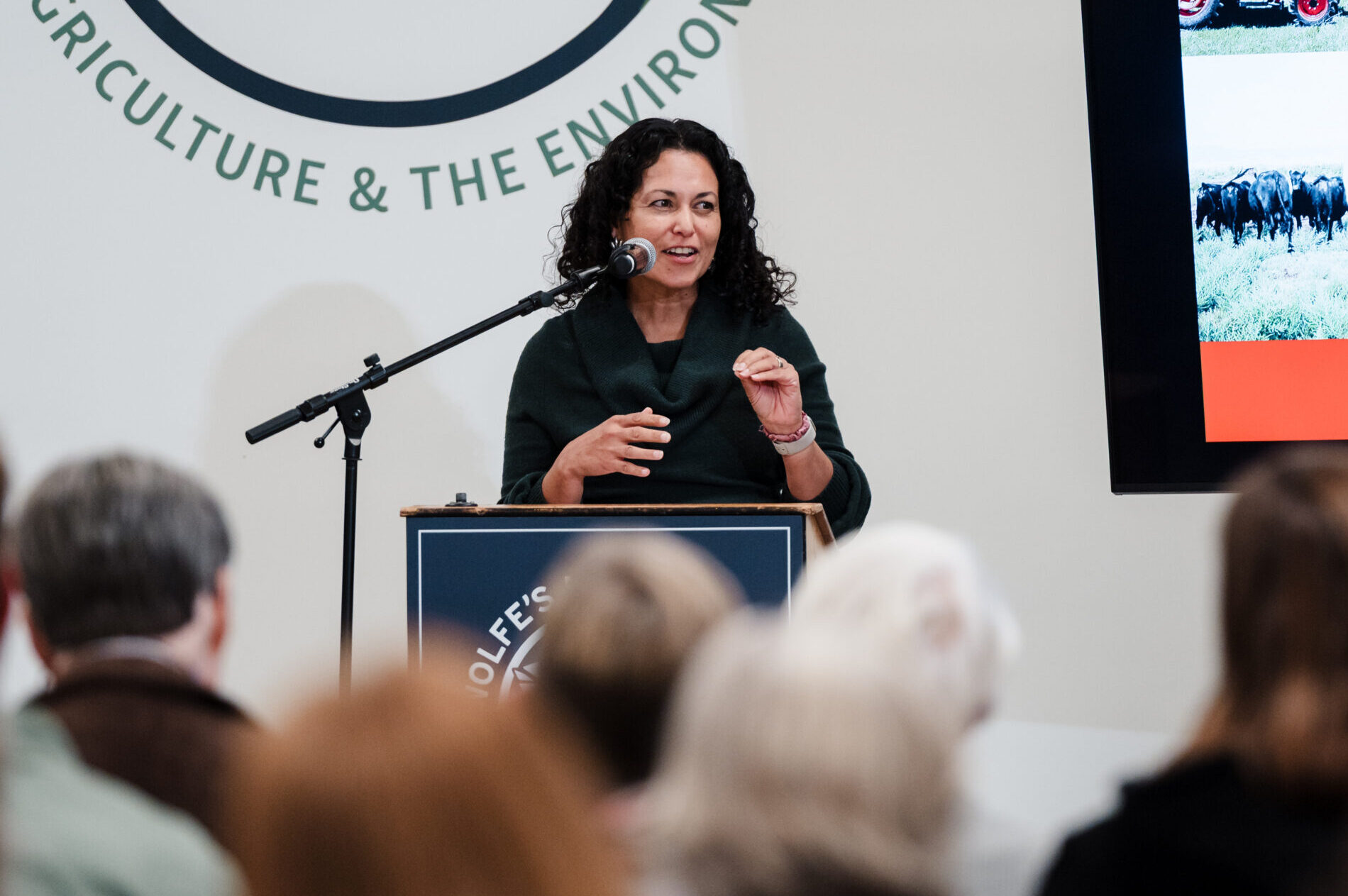
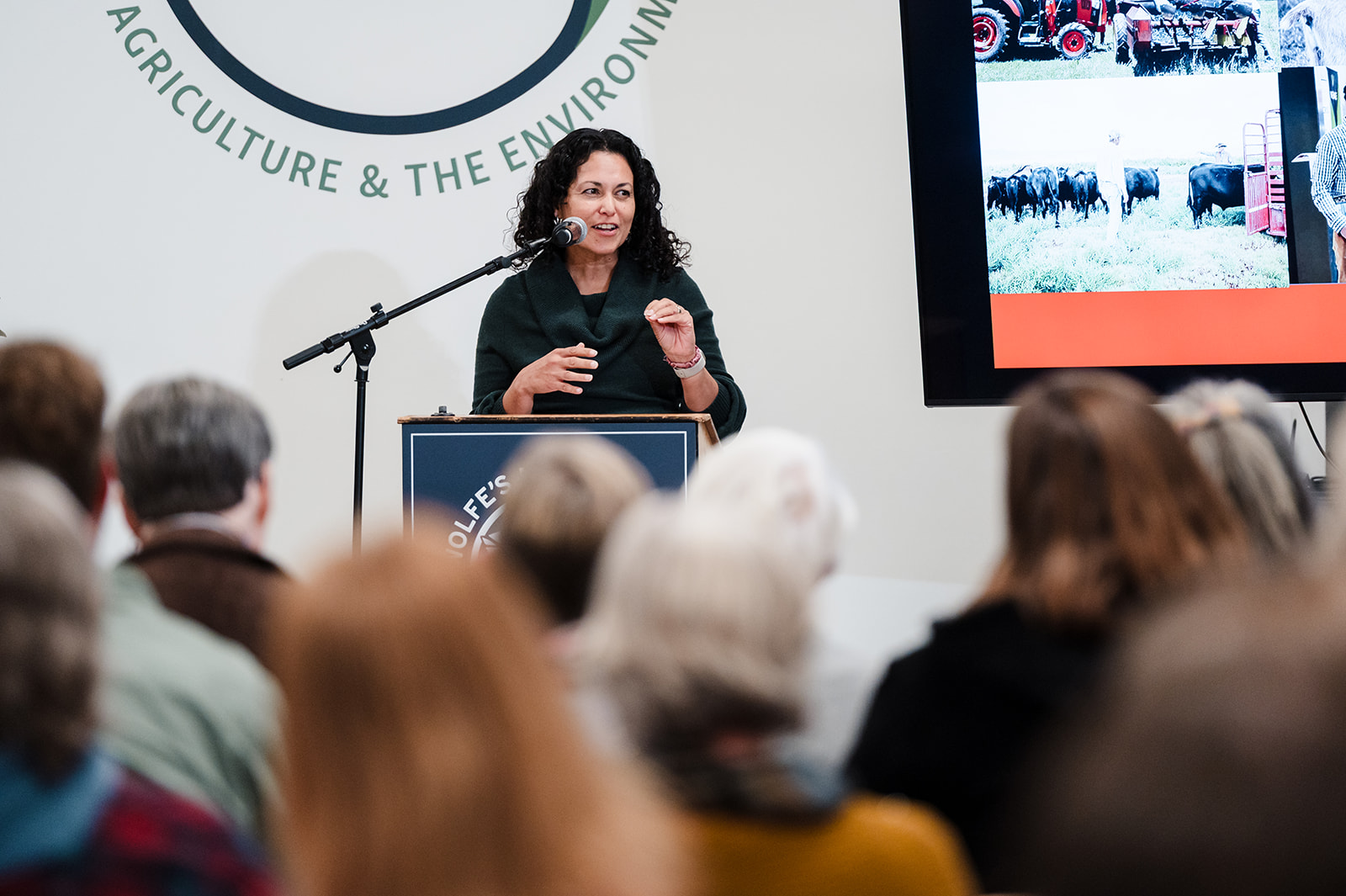
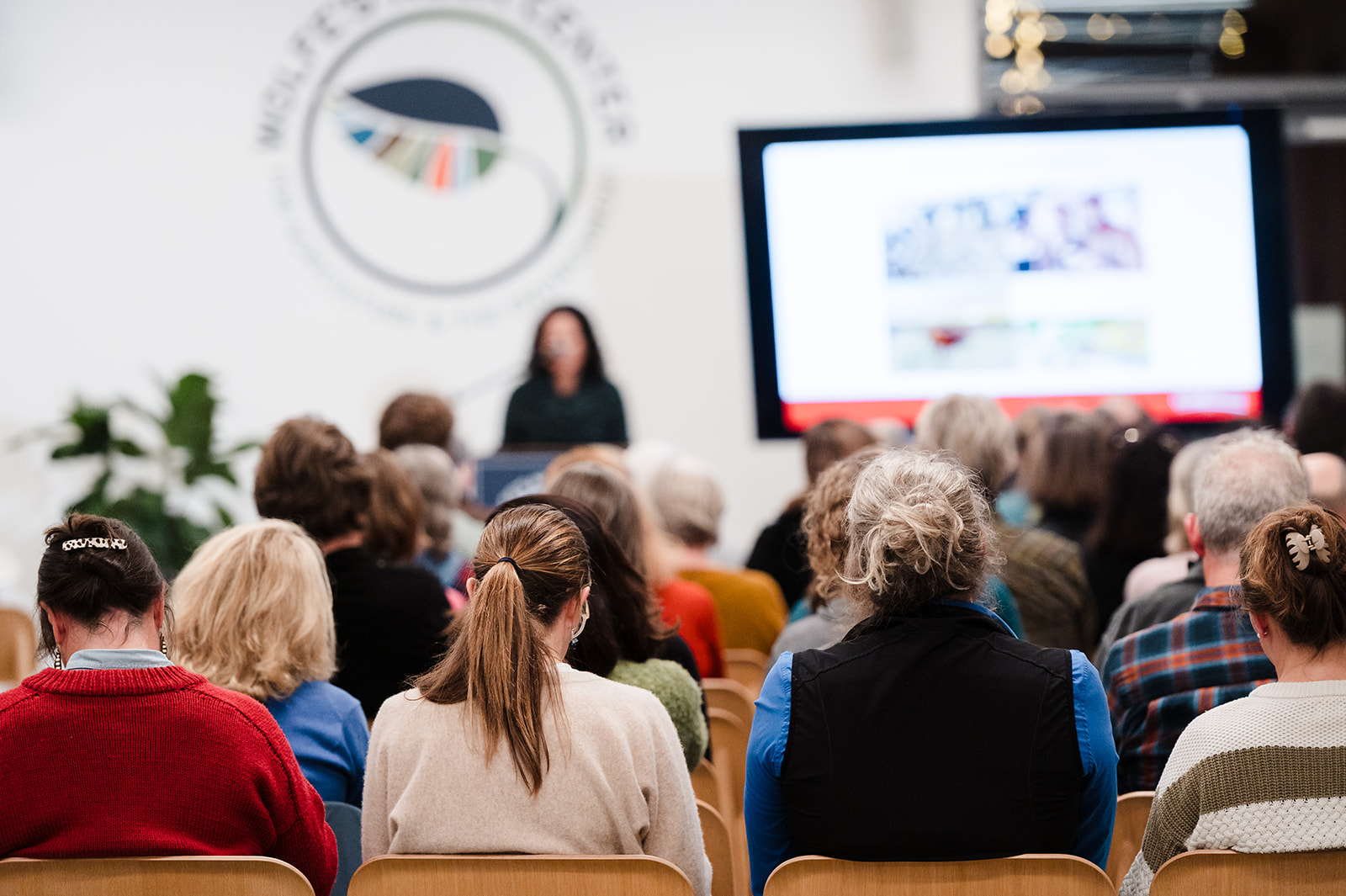
Our keynote speaker, Xochitl Torres Small, Executive Director of the Quivira Coalition, set an engaging tone for the evening with an assessment of our national food system that was at once honest and hopeful.
She highlighted a stark economic shift affecting agricultural producers: from the 1970s to today, the share of every food dollar spent that goes directly to farmers has dropped drastically from 40 cents down to just 6 cents. The remaining 34 cents has been absorbed elsewhere—overwhelmingly going to retailers, alongside rising processing and transportation costs. This structural shift continues to challenge the economic viability of small, diversified farms.
To address this inequality, Torres Small emphasized the need to change how agricultural subsidies work, opening up vital opportunities for smaller producers and marginalized communities who farm smarter and serve their local areas directly with healthy food.
She underscored the critical importance of cross-sector collaboration:”Whether we recognize it or not, we’re all part of this big, interconnected food system. And where the system isn’t serving our needs, we can’t fix it if we try to fix it alone. Seeing our part in that system is a powerful thing, but it’s only power if we use that knowledge to work together. It takes connectors across silos of agriculture, research, land conservation, finance, processing, local markets, educators, and beyond to weave this food system into a web that grows good food for generations.”
Panel Discussion: Regional Strategies
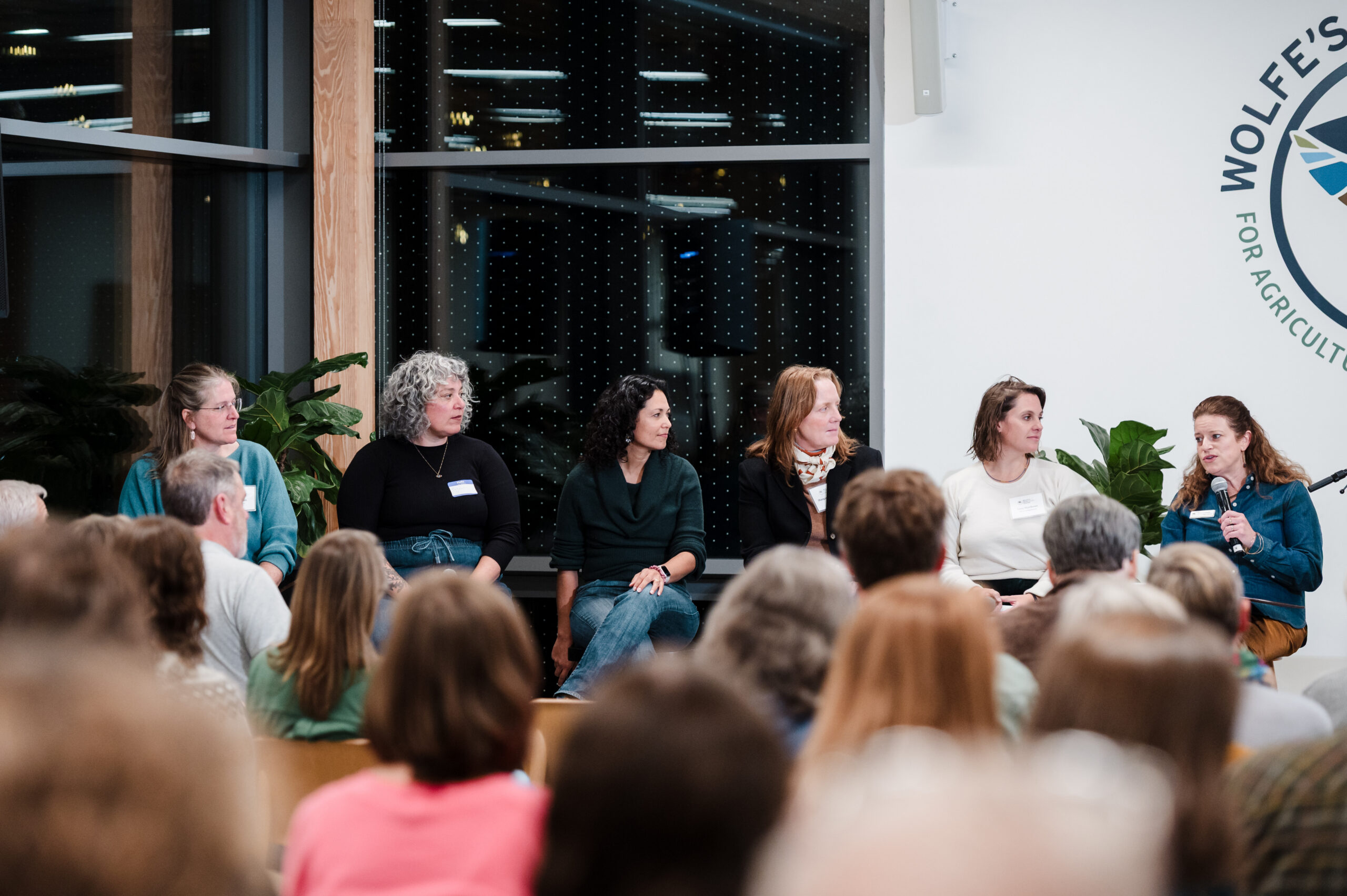
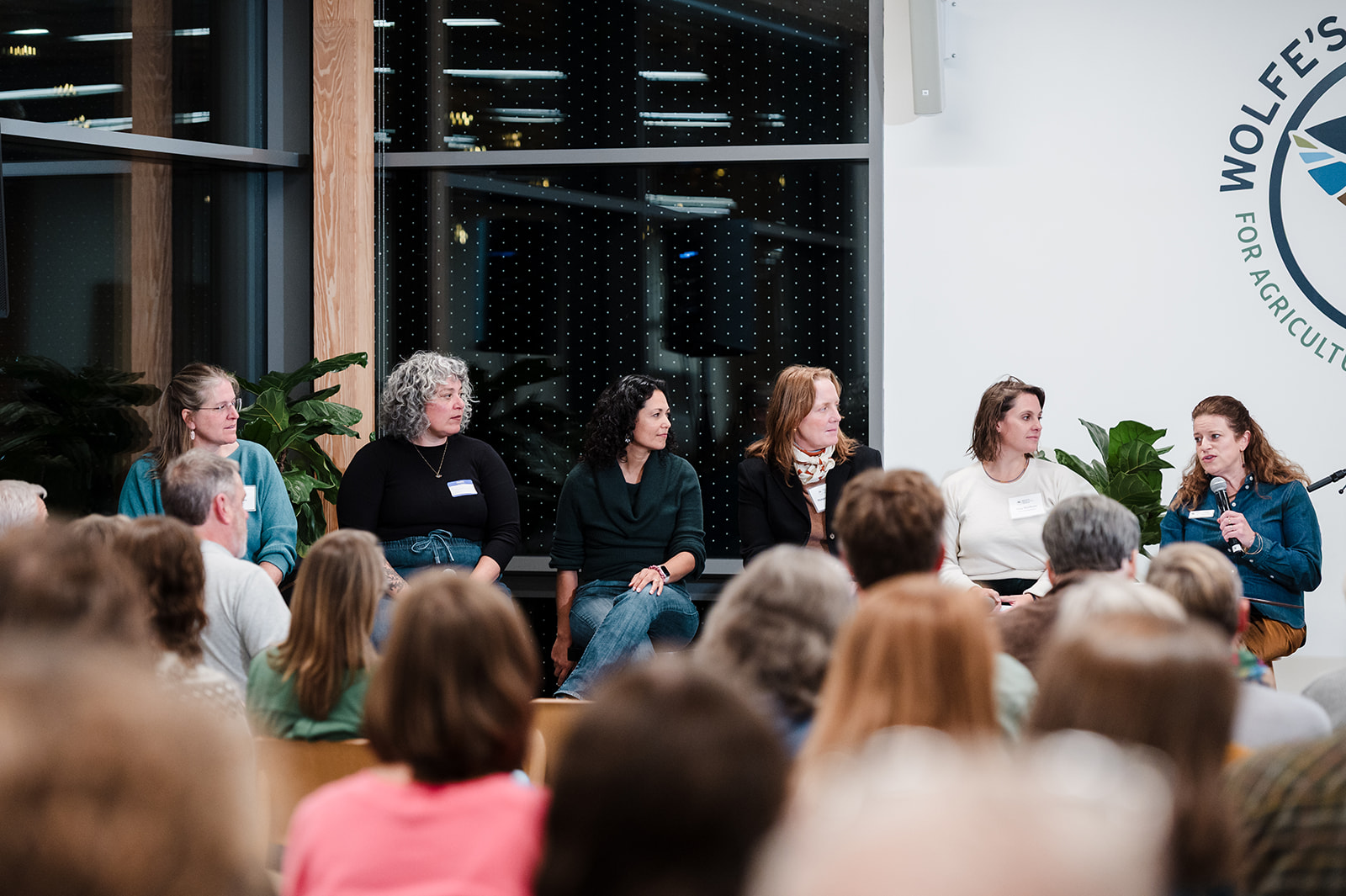
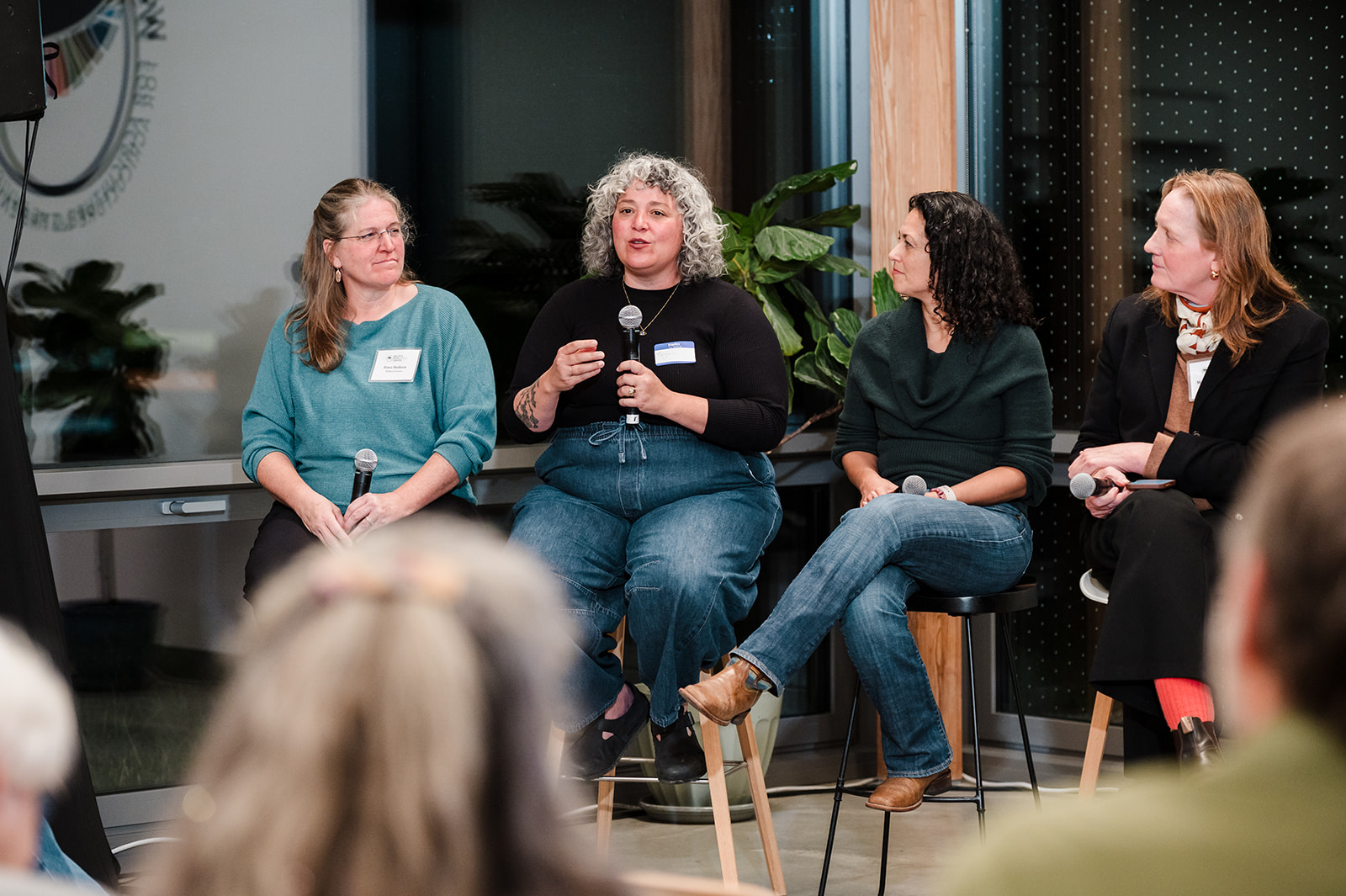
Following the keynote, a panel of nonprofit food system leaders from across the region shared practical strategies to make farming viable, sustainable, and accessible.
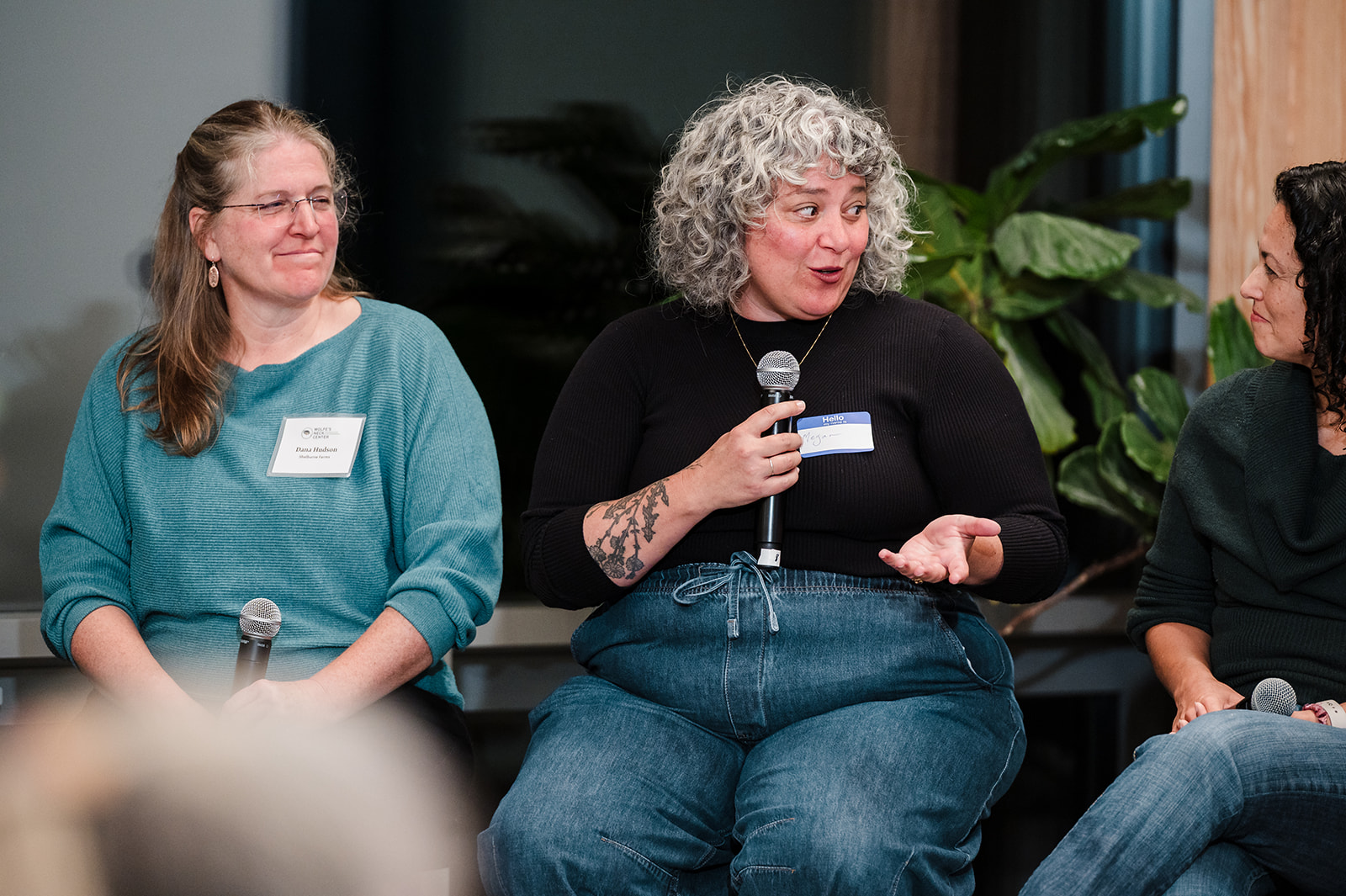
Megan Larmer (Glynwood Center for Regional Food & Farming)
- Focus: Creating equitable and sustainable food systems by making participation joyful.
- “Rather than agreeing to conform with the system that is failing us, let’s build a new system and make it so fun, so beautiful, so attractive, that any rational person would rather be part of that than of the necrotic one.”
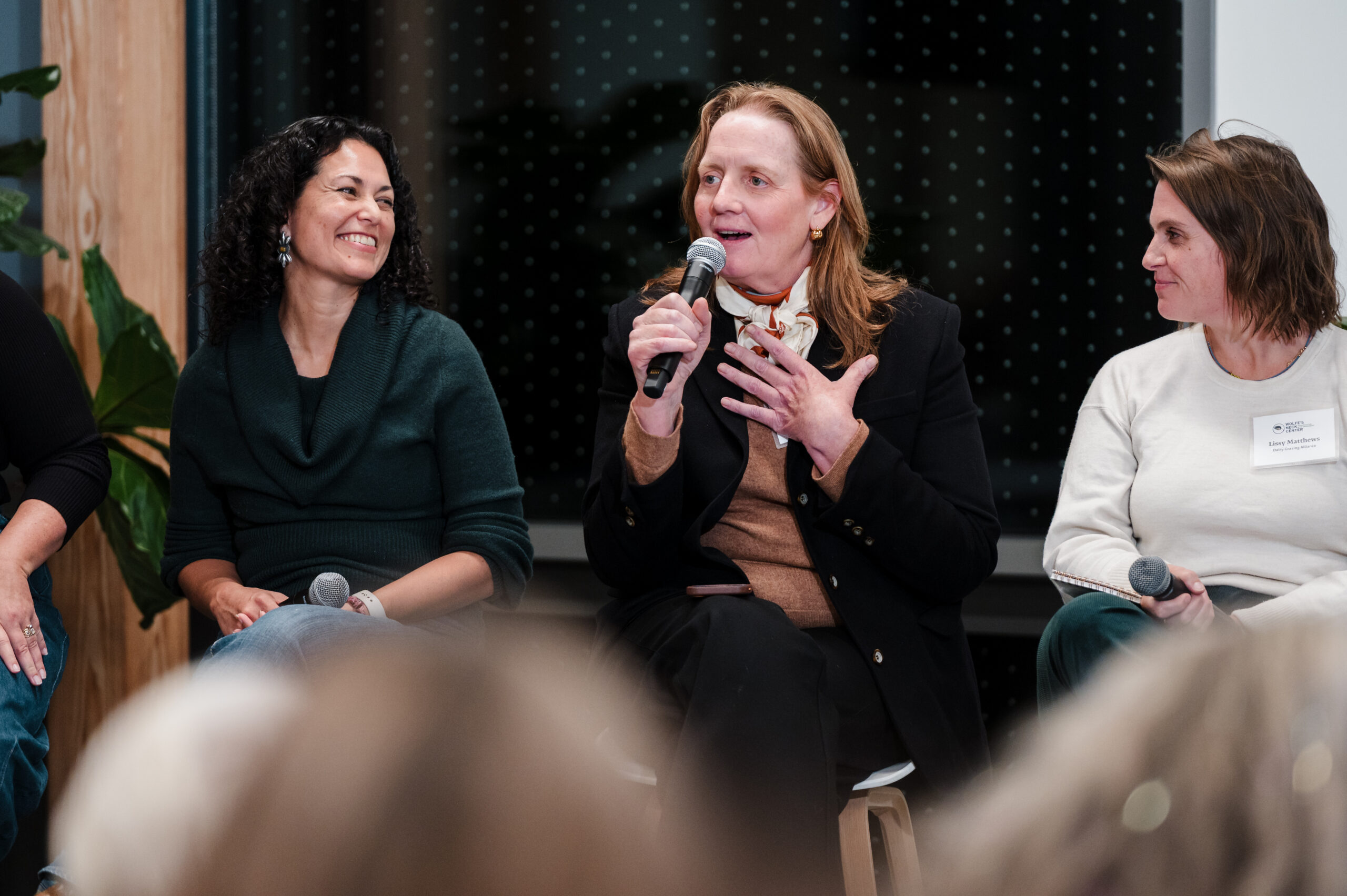
Lissy Matthews (Dairy Grazing Alliance)
- Focus: The urgency of on-farm knowledge transfer from experienced farmers to the next generation to preserve rural communities.
- “Emphasize urgency, because this is changing so quickly. And once that rural infrastructure, that fabric of those communities have shifted, it will not come back in the way that we have it, or the way that we hope that it will.”
Dana Hudson (Shelburne Farms)
- Focus: Increasing access to local farms for healthier communities and building sustainable, incremental change.
- “You can make a lot of big changes, and it can be really exciting for a while, and then the energy fizzles because the systems aren’t in place. My mantra is ‘small is all.’ Make the small changes, and make them sustain, and build on it.”
Margaret Waldock (Duke Farms)
- Focus: Leveraging regional farm centers with conserved campuses to demonstrate how land use drives biodiversity and ecosystem health.
- “Our goal is to not be an island. We want to be good stewards of our place, but we also want to scale up the outcomes for other land managers and farmers. We have the ability to take more risk and try more experimentation.”
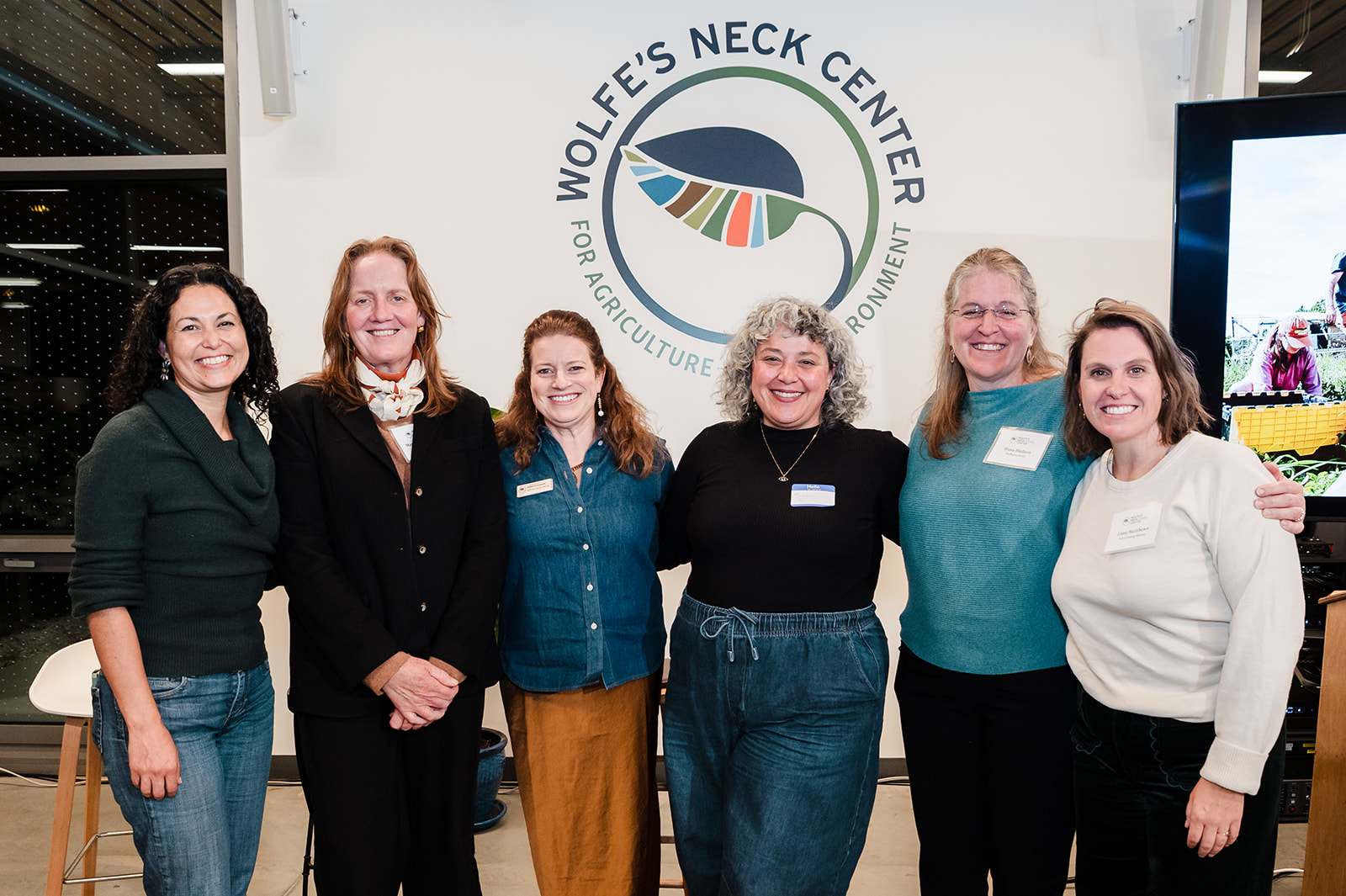
Wolfe’s Neck Center for Agriculture & the Environment is a farm-based research and education nonprofit empowering farmers and the public to build a more resilient regional food system. “A defining part of Wolfe’s Neck Center’s work is that we believe that the answers to really challenging food system issues come from collaboration and partnership,” Managing Director of Programs Ellen Griswold said at the roundtable.” This focus on convening connects our program areas, from Farmer Training & Partnership and Research & Market Transformation to Visitor Education & Experience and the Casco History Lab.